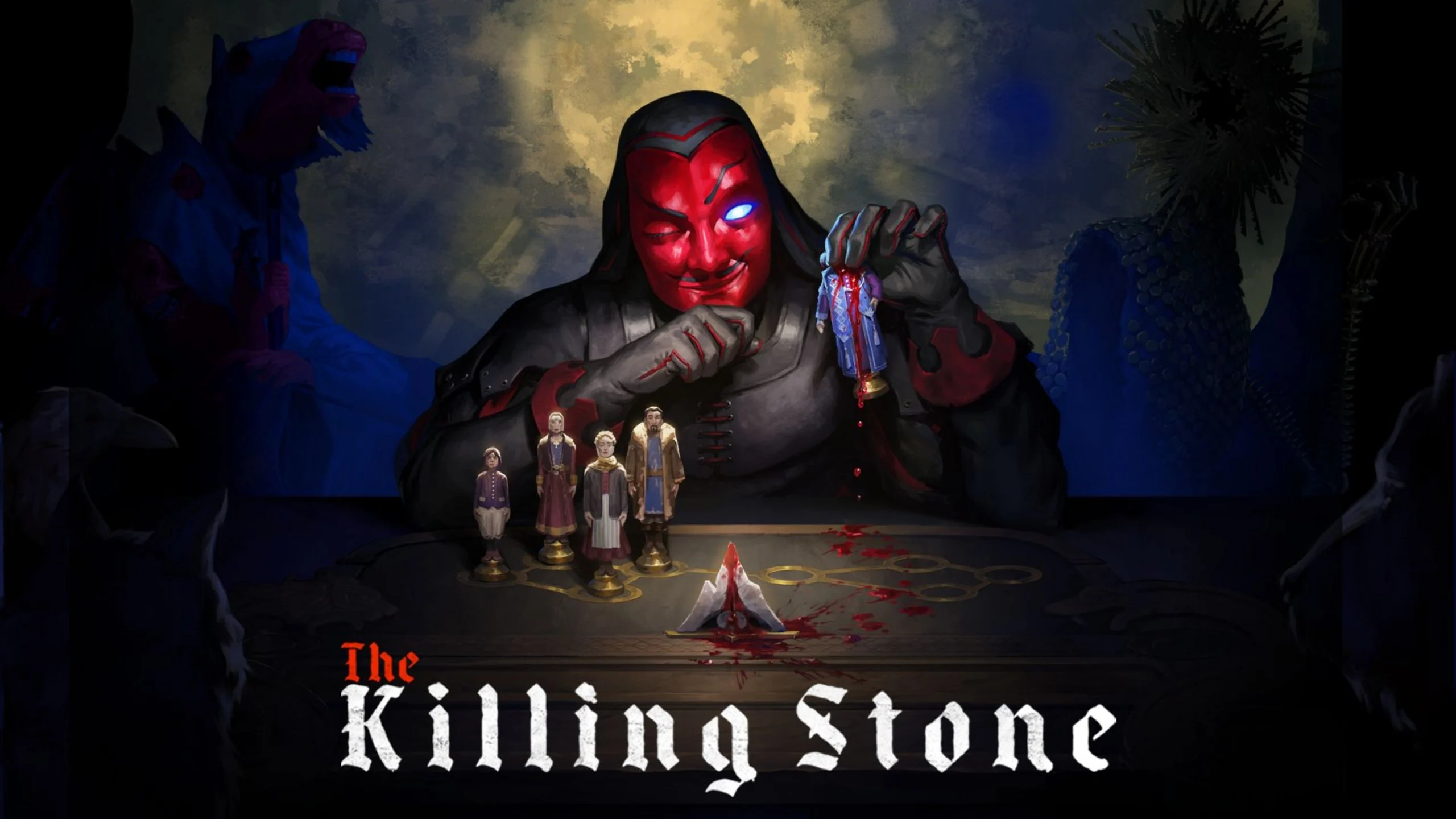
The Killing Stone is part narrative experience, part card battler, part confluence of colliding complex systems. For this project, I joined the Engineering team as a Technical Designer / Gameplay engineer, one of only three engineers on the team.
Most of the work I did fell under the broad category of “Progression.” This included things like tracking the player’s progress through the narrative acts, the progress through and outcome of each ritual and each chapter, changes to the player’s decks, things like that. Anytime the rules of the game change over the course of play (this happens A LOT), that was almost always either me or a designer using a system I created.
This included things like implementing Optional Rituals, which follow different rules for what types of pages can appear and how the player’s decks are altered over time. It also included things like the managing the upgrades themselves, making sure they add, remove, stack, cancel, or suppress correctly in quite a few different contexts.
Page Tool
One example of “progression” is the ritual page tool, which allows designers to author the the ritual experience.
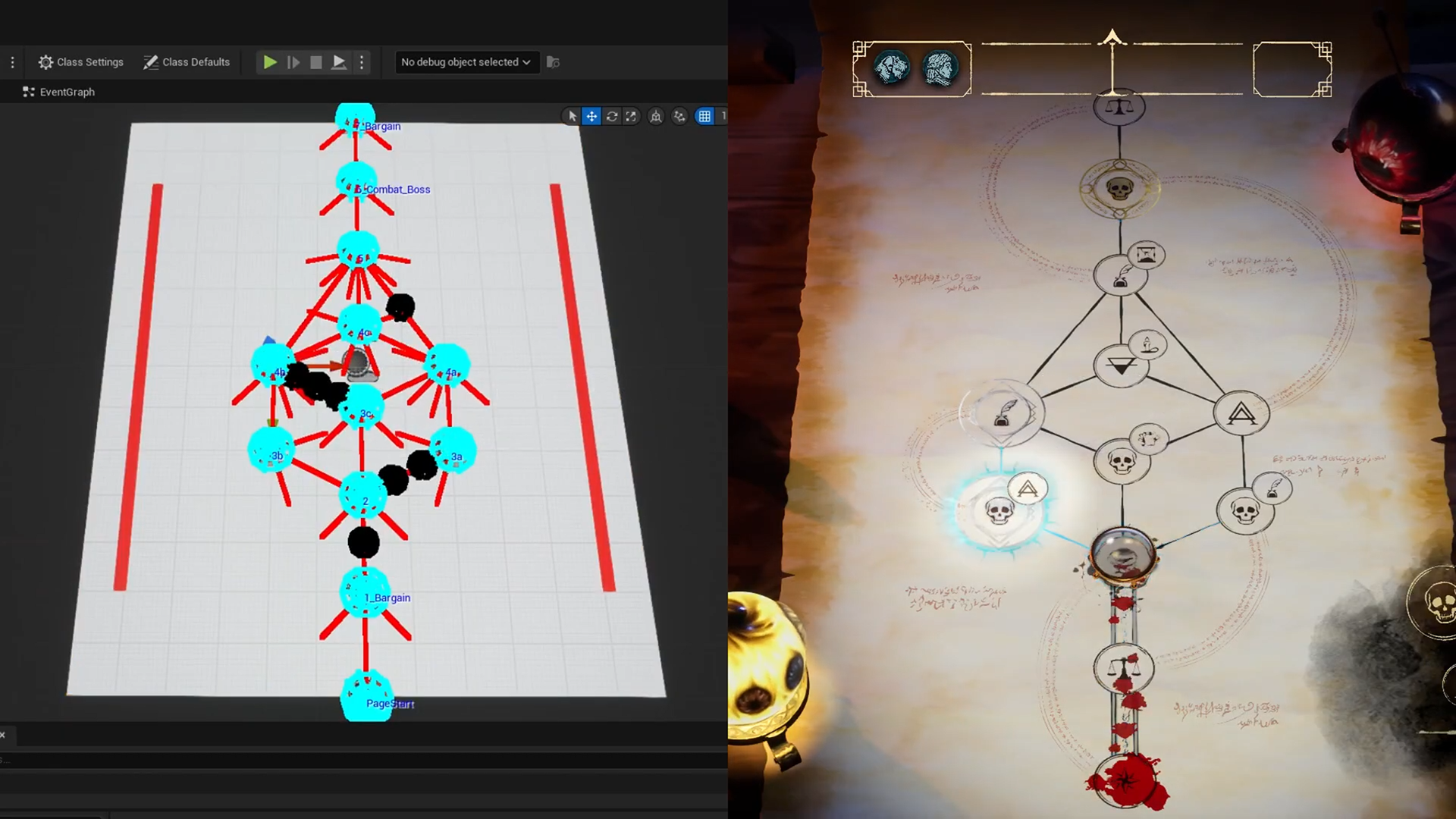
Designers can arrange the paths and nodes however they like. Then inside the node, they could specify custom logic for what type of room would spawn there. There are times when we change the type of room that will spawn on a page based on specific gameplay conditions. Fellow Unreal nerds, please appreciate that I got the component visualizer to display the names of all the nodes, even the ones that aren’t selected.
Bargaining and Bargaining AI
I also did the game rules and demon’s AI for the bargaining phase, the “deal with the devil” that was so central to the entire premise of the game.
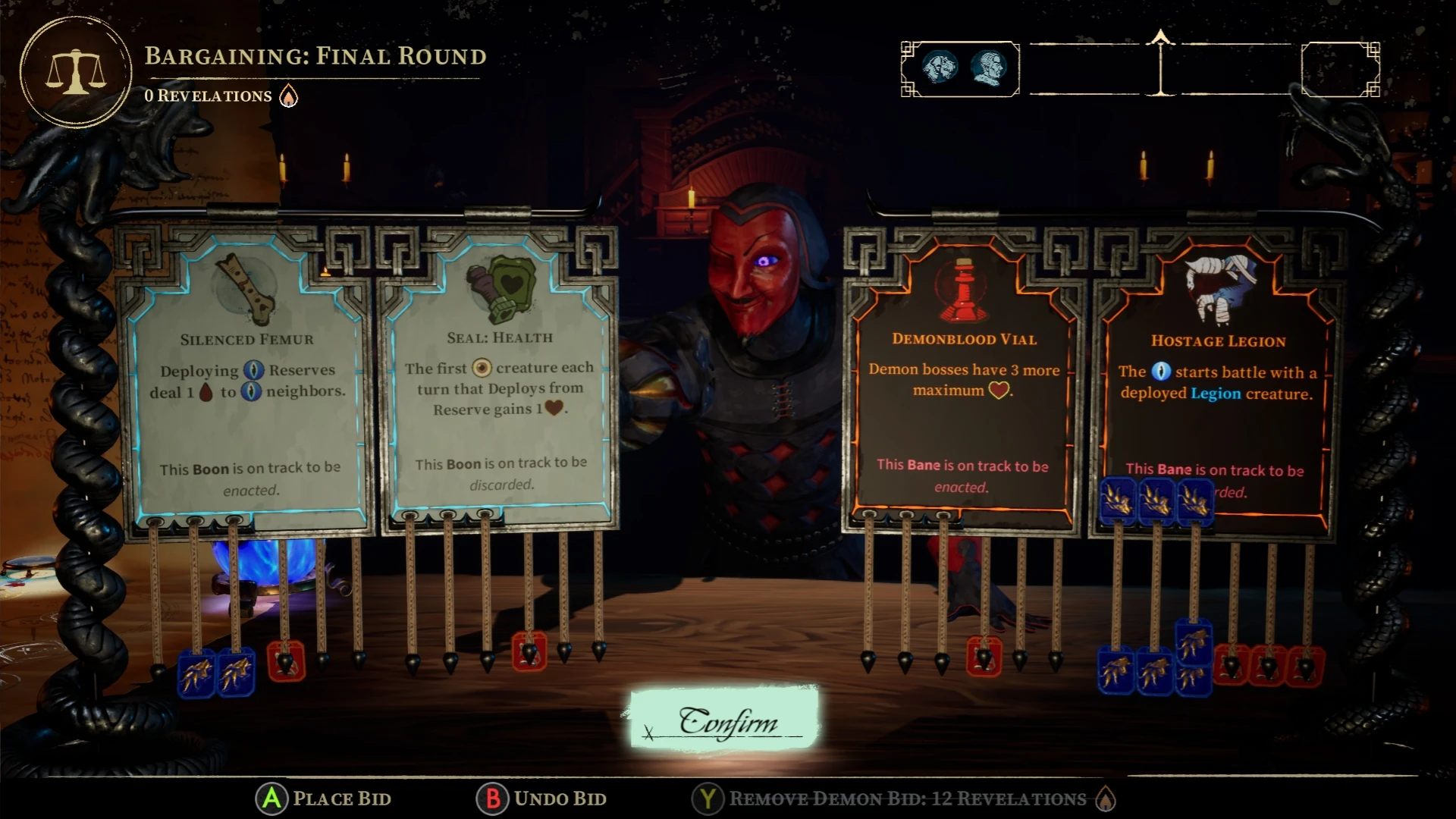
This was really interesting work, both from a design perspective and a technical perspective. I wrote up a more in-depth explanation here.
Scare Director
I also designed and implemented the Scare Director, which got a shoutout in this article. The idea is that we wanted a slow drip of unpredictable spooky events to happen to the player. I didn’t create the scares themselves, but the underlying system that doles them out.
The Reckoning
The Reckoning is the ending of the game. From a gameplay perspective it’s the final showdown, and from a narrative perspective it’s all the endings to the game. It won’t be released until we’re out of Early Access, but I did a lot of progression work to tie everything together, and to allow designers to track conditions for each of the endings. That’s about all I can say about it until it comes out, or until more details are released.